

I’ll never forget the winter I caught five colds in three months. As a health writer, I was embarrassed. How could I, someone who studied wellness, be so susceptible to every bug that went around?
That frustrating season became a turning point. I immersed myself in research, consulted with nutritionists, and transformed my daily habits. What I discovered wasn’t a magic bullet but a symphony of lifestyle factors that work together to build genuine immunity.
Today, I’m sharing that hard-won knowledge with you. This comprehensive guide combines scientific evidence with practical strategies you can implement immediately to strengthen your body’s natural defenses right from home.
Understanding Your Immune System: Your Body’s Security Detail
Before we dive into the strategies, let’s understand what we’re strengthening. Your immune system is an intricate network of cells, tissues, and organs that acts as your body’s personal security team.
It identifies threats like bacteria, viruses, and other pathogens and mounts a coordinated defense to keep you healthy.
According to Harvard Medical School, when this system is compromised by factors like poor diet, chronic stress, or inadequate sleep, its ability to protect you diminishes significantly.
The good news? Research consistently shows that lifestyle choices have a profound impact on immune function, and you have more control over your immunity than you might think (NCBI).
Download Your Free Immune Guide
Grab the complete, printable guide with meal plan ideas and daily strategies to strengthen your natural defenses at home.
Nutrition: Building Your Immune Foundation Through Food
Powerhouse Foods for Immunity
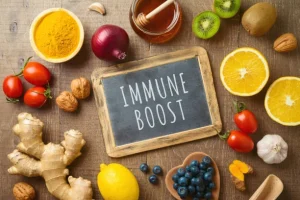
What you eat directly influences your immune system’s effectiveness. A balanced diet rich in specific nutrients provides the building blocks your body needs to mount strong immune responses.
- Citrus Fruits: Oranges, grapefruits, lemons and limes are legendary for their vitamin C content. This essential nutrient increases white blood cell production, which is crucial for fighting infections. Since your body doesn’t produce or store vitamin C, you need daily intake through foods or supplements (Oregon State University). Start your day with a glass of lemon water or include orange segments in your salad.
- Broccoli: This cruciferous vegetable is a nutritional powerhouse packed with vitamins A, C, and E, plus fiber and numerous antioxidants. The key to preserving its nutrients is minimal cooking—steam it lightly or enjoy it raw with hummus. Just one cup provides as much vitamin C as an orange.
- Garlic: More than just a flavor enhancer, garlic contains allicin, a sulfur compound with potent antimicrobial properties. Studies have shown that regular garlic consumption can reduce the frequency of colds and enhance immune cell function.
- Ginger: This warming root has been used for centuries for its medicinal properties. Modern research confirms that ginger contains gingerol, a substance with powerful anti-inflammatory and antioxidant effects that can help reduce respiratory infections and soothe sore throats.
- Spinach: This leafy green is rich not only in vitamin C but also in antioxidants and beta carotene, which may increase the infection-fighting capability of our immune systems. Like broccoli, spinach is healthiest when lightly cooked to retain its nutrients while making its vitamins more bioavailable.
- Yogurt: Look for varieties with “live and active cultures” as these probiotics can help stimulate your immune system. Yogurt is also an excellent source of vitamin D, which helps regulate immune function (Journal of Immunology Research). For maximum benefit, choose plain Greek yogurt and add your own fruits and honey to control sugar content.
- Sunflower Seeds: These often-overlooked gems are packed with vitamin E, a powerful antioxidant that helps regulate and maintain immune system function.
- Poultry: Chicken and turkey are rich in vitamin B-6, which plays a crucial role in forming new red blood cells and supports biochemical reactions in the immune system. Chicken soup isn’t just folklore—research shows it contains carnosine, which may help the body fight off early stages of flu.
Essential Micronutrients for Immune Defense
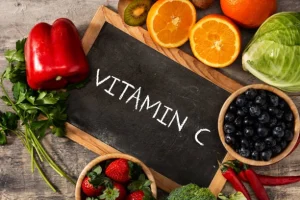
Beyond specific foods, certain micronutrients are particularly vital for immune function:
-
Vitamin C: Perhaps the most famous immune booster, vitamin C supports various cellular functions of both the innate and adaptive immune system (Oregon State University). Beyond citrus, excellent sources include red bell peppers, strawberries, and kiwi fruit.
-
Zinc: This mineral is essential for immune cell development and communication.
-
Vitamin D: Often called the “sunshine vitamin,” vitamin D modulates innate and adaptive immune responses. Deficiency is associated with increased susceptibility to infection (Journal of Immunology Research).
-
Vitamin E: This fat-soluble vitamin is a powerful antioxidant that helps combat free radicals and supports immune function (Cleveland Clinic).
Sample Immune-Boosting Meal Plan
| Meal | Food Options | Why It Works |
|---|---|---|
| Breakfast | Greek yogurt parfait with berries, sunflower seeds, and a drizzle of honey | Provides probiotics, vitamin E, and antioxidants |
| Lunch | Spinach salad with grilled chicken, red peppers, citrus dressing, and quinoa | Combines vitamin C, zinc, protein, and complex carbs |
| Dinner | Baked salmon with steamed broccoli and sweet potato | Offers omega-3s, vitamin C, and beta carotene |
| Snacks | Orange slices, handful of almonds, or ginger tea | Delivers vitamin C, vitamin E, and anti-inflammatory compounds |
Lifestyle Factors: Beyond the Plate
The Immune Benefits of Regular Exercise
Exercise isn’t just for weight management and cardiovascular health—it’s a powerful immune booster.
Physical activity promotes good circulation, which allows immune cells to move through your body more effectively.
According to Journal of Sport and Health Science, regular moderate-intensity exercise reduces inflammation and can help your immune cells regenerate regularly.
The Critical Role of Sleep in Immune Function
The instruction to get plenty of sleep might sound like common advice, but its importance to immunity cannot be overstated. During sleep, your body produces and releases cytokines, proteins that target infection and inflammation.
Chronic sleep deprivation decreases production of these protective cytokines and infection-fighting antibodies (National Sleep Foundation).
Better rest not only supports immunity but also enhances productivity. Our post on How To Create a YouTube Channel for FREE even covers how creators can manage their time and avoid burnout.
Stress Management: Calming Your Immune System

Chronic stress is one of the most underrecognized threats to immune function. When you’re stressed, your body produces cortisol, which in elevated levels can suppress immune system effectiveness.
Effective stress reduction techniques include meditation, deep breathing exercises, yoga, and hobbies. Exercise also serves as a powerful stress reliever (Mayo Clinic).
Hobbies, creativity, and even content creation can reduce stress — see our 10 Video Ideas for Your First YouTube Channel for inspiration if you’d like to channel stress into something productive.
Hydration: The Often-Overlooked Immune Supporter
Hydration plays a crucial role in immune function. Water helps carry oxygen to your cells, flush toxins, and is essential for the production of lymph, which carries white blood cells and other immune system cells.
Staying consistent with these small changes is similar to sticking with financial or personal goals. You can explore our guide on 5 Simple Budgeting Methods for Young Professionals to see how planning can make wellness goals easier.
Avoiding Immune-Suppressing Habits
-
Smoking cessation: Smoking damages the immune system by increasing inflammation and reducing defenses.
-
Limit alcoholic beverage consumption: Excessive drinking unquestionably suppresses immune function (CDC).
Supplementation: When to Consider Extra Support
While a balanced diet should provide most necessary nutrients, there are circumstances when you might consider supplementation.
- Vitamin C supplements can fill gaps (Oregon State University).
- Vitamin D is especially important during winter months (Journal of Immunology Research).
- Zinc lozenges may reduce cold duration.
- Probiotics support gut health, and research shows combining probiotics with low-dose vitamin C reduces antibiotic prescriptions in children (ScienceDirect).
Hygiene and Preventive Practices: Your First Line of Defense
No discussion of immune health would be complete without addressing hygiene practices. These simple measures prevent pathogens from entering your system in the first place:
- Wash hands frequently with soap and water for at least 20 seconds, especially before eating and after being in public spaces.
- Cook meats thoroughly to avoid foodborne illnesses.
- Regularly disinfect frequently touched surfaces in your home.
- Stay up to date with recommended vaccines, which train your immune system to recognize and combat pathogens before they can cause serious illness .
Eat a Healthy and Balanced Diet
Think of your diet as the foundational training ground for your immune system. Every meal is an opportunity to equip your body’s defenses with the tools they need to function optimally.
It’s less about restriction and more about strategic nourishment. Move Beyond the Multivitamin: Embrace the “Rainbow Strategy”
While we often seek a single magic bullet, the true power lies in synergy. Whole plant foods like fruits, vegetables, nuts, and seeds are powerful because they contain a vast array of phytonutrients and antioxidants.
Each color represents a different family of these compounds.
For instance, the lycopene in red tomatoes or the anthocyanins in blueberries act like microscopic bodyguards, neutralizing free radicals caused by stress and environmental toxins that can weaken our cellular defenses.
The goal isn’t perfection; it’s to “eat the rainbow” and ensure a wide spectrum of protection.
The Unsung Hero: Your Gut is Your Immunity’s Command Center
A critical piece of the puzzle that is often overlooked is the gut-immune axis. An estimated 70-80% of your immune tissue resides in your gut.
This means the trillions of bacteria that make up your microbiome are in constant communication with your immune cells, essentially training them to distinguish between friend and foe.
This is why the advice to eat fermented foods is so important, but it’s only half the story:
- Probiotics (from yogurt, kefir, kimchi) add beneficial bacteria to your system.
- Prebiotics are what feed those good bacteria. Without them, probiotics struggle to survive. Include prebiotic-rich foods like garlic, onions, oats, asparagus, and bananas to keep your gut army strong and effective.
A Personal Shift: Rethinking Fats and Sugar
I used to see fats as the enemy, but learning about their role in inflammation was a game-changer.
Healthy fats like those in olive oil and salmon aren’t just “good for you”—they actively help resolve inflammation, allowing your immune response to be more precise and less chaotic.
Similarly, limiting added sugars isn’t just about weight management. Sugar creates inflammation and can hamper the ability of white blood cells to engulf pathogens.
Making simple swaps, like opting for sparkling water over soda or using fruit to sweeten oatmeal, can significantly reduce this inflammatory load without feeling like a sacrifice.
The Bottom Line: Upgrade your diet from mere sustenance to strategic support.
Focus on a diverse, colorful plate of plants for antioxidant support, include fermented and fibrous foods to nurture your gut microbiome, and choose anti-inflammatory fats while reducing sugary fuels.
This multi-faceted approach builds a far more resilient foundation than any single superfood ever could.
Conclusion: Your Journey to Resilient Immunity
Building a robust immune system is a marathon, not a sprint. There are no quick fixes or magic pills—just consistent, daily choices that collectively strengthen your body’s defenses.
By nourishing your body with immune-supportive foods, moving regularly, prioritizing sleep, managing stress, staying hydrated, and avoiding immune-suppressing habits, you create an environment where your immune system can thrive.
Remember that perfection isn’t the goal—progress is. Start with one or two changes from this guide, and gradually incorporate others. Your immune system will thank you for years to come.
I’d love to hear about your experiences! What’s one immune-boosting strategy you’ve found most effective in your life? Share your thoughts in the comments below.