

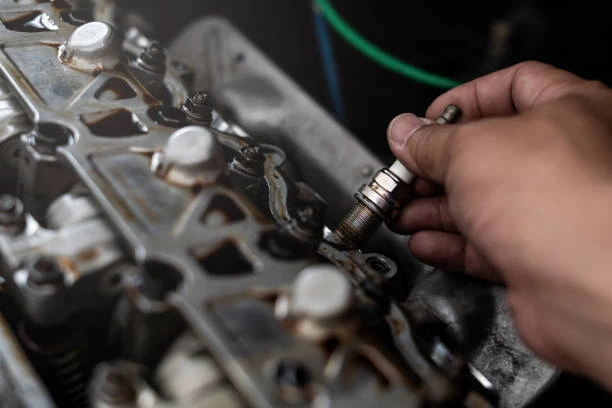
Imagine this: you start your Toyota on a chilly morning, but instead of the smooth hum of the engine, you’re met with a sputtering engine, a rough idle that shakes the car, and sluggish acceleration that feels like your car is struggling.
Many drivers instantly suspect the fuel system or battery, but often the real culprit is hidden under the hood—your spark plugs.
Choosing the right spark plugs for your car and knowing when to replace them can save you from poor performance, wasted fuel, and costly repairs.
In fact, ignoring bad spark plugs can put extra stress on other parts of your engine, leading to even bigger problems down the road.
Taking care of your car yourself isn’t just about saving money; it’s about being in control of its health.
In this blog post, I’ll break down everything you need to know about spark plugs, ignition coils, and replacement schedules.
Whether you drive a Honda, Nissan, or any other vehicle, this guide will help you make informed decisions and keep your car running at its best.
Why Spark Plugs Matter
Spark plugs are small but powerful components that ignite the air-fuel mixture in your engine. Without them, your car simply won’t run. They directly affect:
- Engine starting reliability
- Fuel efficiency
- Power delivery and performance
- Emissions output
Choosing the right spark plugs and replacing them on time is very important for your car. Spark plugs create the spark that starts the combustion in your engine, making the car run. As they get old, their ability to create a strong spark weakens.
This leads to several problems:
- Misfires: A weak spark can cause the fuel-air mixture to not ignite properly, leading to a misfire. You might feel a noticeable hesitation or a jerk from the engine, especially when accelerating.
- Rough Idling: When your car is stopped but the engine is running, worn spark plugs can cause it to shake or vibrate more than usual. This is known as rough idling.
- Reduced Fuel Economy: An engine that isn’t burning fuel efficiently will use more gas to go the same distance. This means you’ll spend more at the gas pump.
To avoid these problems, it’s a good idea to check your car’s manual for the recommended maintenance schedule. Replacing spark plugs at the right time keeps your engine running smoothly and efficiently.
What Happens If You Use the Wrong Spark Plugs?
Using the wrong spark plugs in your car can lead to multiple issues, such as:
- Poor engine performance – Misfires, slow acceleration, or engine hesitation.
- Increased fuel consumption – Incorrect heat range or gap settings reduce combustion efficiency.
- Engine damage – Prolonged use of unsuitable plugs can overheat cylinders or damage pistons.
- Check engine light – A mismatch can trigger error codes.
Using the wrong spark plugs can lead to costly repairs, similar to poor financial planning. Learn more about managing your resources effectively in 5 Simple Budgeting Methods for Young Professionals
Always check your car manufacturer’s specifications (Toyota, Honda, Nissan, etc.) before purchasing new plugs.
Using the wrong spark plugs in your vehicle can lead to several performance issues. Spark plugs vary in heat range, thread size, and electrode design, all of which must match your engine’s specifications.
Using an incompatible plug can cause engine misfires, poor fuel economy, or even damage to the combustion chamber over time.
Brands like NGK provide detailed specifications for each plug type, helping drivers select the right one for their vehicle. Checking the manufacturer’s recommendations and consulting spark plug charts ensures compatibility and optimal engine performance.
5 Signs Your Car Needs Spark Plug Replacement
Not sure when to change them? Look out for these signs:
- Difficulty starting the engine
- Rough idling or engine misfires
- Decreased fuel efficiency
- Slow or weak acceleration
- Illuminated check engine light
If you notice any of these signs—difficulty starting your engine, rough idling, reduced fuel efficiency, sluggish acceleration, or an illuminated check engine light—it’s a clear indication that your spark plugs may be worn or failing.
Ignoring these symptoms can put additional strain on other components of your ignition system, particularly the ignition coils, which work closely with spark plugs to generate the spark needed for combustion.
Checking and, if necessary, replacing both spark plugs and ignition coils can restore engine performance, improve fuel economy, and prevent more costly repairs down the line.
Just like noticing the early signs of worn spark plugs can prevent bigger issues, spotting opportunities in your personal projects early can set you up for success. If you’re exploring creative projects, check out 10 Video Ideas for Your First YouTube Channel.
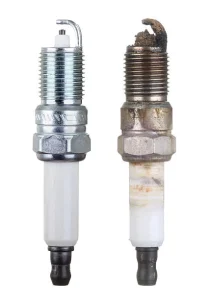
Iridium Spark Plugs – Are They Worth It?
Iridium spark plugs are among the best available because they:
- Last longer than copper or platinum plugs
- Provide better combustion efficiency
- Improve throttle response
- Enhance cold starting
Though more expensive, their durability and performance benefits make them a solid choice, especially for modern cars like Honda and Nissan.
Iridium spark plugs are known for their durability and superior performance. According to Denso, these plugs offer a longer lifespan, more efficient combustion, and improved throttle response compared to traditional copper or platinum plugs.
They are especially beneficial for modern engines, helping with cold starts, smoother idling, and overall engine efficiency. Regular inspection and timely replacement ensure that your Toyota, Honda, or Nissan continues to perform at its best.
Best Spark Plugs for Performance
If you’re aiming for performance, here are some top picks:
- Iridium spark plugs – Best for longevity and overall engine response.
- Platinum spark plugs – Good balance of durability and cost.
- Copper spark plugs – Deliver strong performance but wear out quickly.
For performance upgrades, iridium is usually the go-to choice. Always consider your engine type and driving habits before upgrading.
Spark Plug Types
A Quick Guide & Lifespan
Copper Plugs
These are the most common type, with a solid copper core. They are a cost-effective option for older cars but wear out the fastest.
30,000 miles (48,000 km)
Platinum Plugs
Platinum plugs are more durable and last longer than copper. They are a good middle-ground option for modern engines with coil-on-plug ignition systems.
60,000 miles (96,000 km)
Iridium Plugs
Iridium is the hardest and most durable material used for spark plugs. They are the top-of-the-line choice, offering the longest lifespan and best performance.
100,000+ miles (160,000+ km)
Note: Spark plug lifespan varies based on driving conditions and your vehicle’s specific recommendations. Always consult your owner’s manual.
Can a Car Run Without a Spark Plug?
No. Without spark plugs, the air-fuel mixture in the cylinder won’t ignite. Your car simply won’t start. This applies to all gasoline-powered vehicles, including Toyota, Honda, and Nissan. Diesel engines, however, use glow plugs instead of spark plugs.
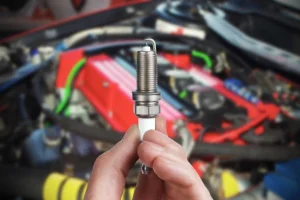
What Are the Symptoms of a Bad Spark Plug?
A bad spark plug often shows itself through:
- Misfires during acceleration
- Rough idling
- Poor fuel economy
- Difficulty starting
- Strong fuel smell from the exhaust
If left unresolved, these issues can put extra strain on ignition coils and catalytic converters.
Understanding the Ignition Coil Pack
An ignition coil pack is responsible for transforming battery voltage into the high voltage needed to create a spark at the plug. If coils fail, spark plugs can’t function correctly.
Common signs of failing ignition coils include:
- Backfiring or misfiring
- Engine stalling
- Loss of power
- Trouble starting
An ignition coil pack transforms battery voltage into the high voltage needed for spark plugs to ignite the engine’s air-fuel mixture. When coils fail, common symptoms include engine misfires, stalling, or loss of power.
AutoZone explains that ignition coil failures often result from heat, vibration, or age, and recommends regular testing and timely replacement to maintain engine performance and prevent damage to other components.
Spark Plug Replacement – A Step-by-Step Overview
Replacing spark plugs is a fairly straightforward maintenance task:
- Disconnect the negative battery terminal.
- Remove ignition coil packs or wires.
- Use a spark plug socket to remove the old plugs.
- Check for oil or carbon deposits on old plugs (signs of deeper issues).
- Install new plugs, tightening to manufacturer’s torque specs.
- Reattach ignition coils or wires.
- Reconnect the battery.
Ignition Coil vs Spark Plug Symptoms
It’s easy to confuse spark plug and ignition coil problems. Here’s how to tell them apart:
- Spark Plug Issues: Poor fuel economy, hard starts, misfires under load.
- Ignition Coil Issues: Engine stalling, lack of acceleration, multiple misfires, and electrical issues.
If unsure, a mechanic can test coils and plugs to identify the exact problem.
Quick Comparison
Spark Plug vs. Ignition Coil Symptoms
Spark Plug Symptoms
- →
Rough Idling: Your engine feels shaky or vibrates more than usual when the car is stopped.
- →
Engine Misfires: You may feel a jolt or hesitation, especially during acceleration. This can be intermittent.
- →
Poor Fuel Economy: The engine isn’t burning fuel efficiently, causing you to fill up more often.
- →
Hard Starting: The engine might crank for a long time before it finally starts, especially in cold weather.
- →
Lack of Acceleration: The car feels sluggish and doesn’t respond quickly when you press the gas pedal.
Ignition Coil Symptoms
- →
Check Engine Light: Often, a failed ignition coil will trigger this light immediately and may produce a specific fault code.
- →
Engine Misfires: Similar to spark plugs, but a failing coil typically causes a more consistent and severe misfire in a single cylinder.
- →
Stalling: The engine may shut off suddenly, especially at low speeds or when idling.
- →
Poor Acceleration: This can be very noticeable, as the engine loses a significant amount of power.
- →
Backfiring: You might hear a loud popping sound from the exhaust as unburned fuel ignites outside the combustion chamber.
Note: Since spark plugs and coils work together, their symptoms can overlap. Using an OBD-II scanner can help pinpoint the exact problem.
Should I Replace Ignition Coils With Spark Plugs?
In many cases, yes. Since ignition coils sit directly above the plugs in modern engines, replacing both at the same time can save labor costs and ensure balanced performance.
What else should you replace when replacing spark plugs?
- Ignition coils (if worn)
- Spark plug wires (if applicable)
- Air filter (to ensure clean combustion)
How Often Should You Change Spark Plugs and Coils?
- Spark plugs: Typically every 30,000–100,000 miles depending on type (copper, platinum, iridium).
- Ignition coils: Coils don’t have a fixed lifespan but often last around 100,000 miles.
How often should ignition coils be replaced? Only when they fail or show symptoms—unlike plugs, they don’t require regular replacement.
Do Changing Ignition Coils Improve Performance?
Yes, replacing old or weak ignition coils can restore lost power, improve throttle response, and enhance fuel economy. However, don’t expect a dramatic boost unless your old coils were failing.
What are the benefits of new ignition coils and spark plugs?
- Better fuel efficiency
- Smoother starts and acceleration
- Reduced misfires
- Cleaner emissions
Can I Replace Ignition Coils and Spark Plugs on My Own?
Yes, if you’re comfortable with DIY car maintenance. Most modern vehicles like Toyota, Honda, and Nissan make it relatively simple. You’ll need:
- A ratchet set with spark plug socket
- Torque wrench
- Dielectric grease for coil boots
If unsure, it’s always best to consult a professional mechanic.
Final Thoughts
Choosing the right spark plugs for your car is more than just picking a brand—it’s about ensuring compatibility, performance, and long-term reliability. From understanding iridium spark plugs to knowing when to replace ignition coils, every driver should keep an eye on these small yet powerful components.
A well-maintained ignition system translates into smoother rides, fewer breakdowns, and better fuel economy—whether you’re driving a Toyota, Honda, Nissan, or any other brand.
Have you recently replaced your spark plugs or ignition coils? Share your experience in the comments—I’d love to hear how it impacted your car’s performance.