

Have you ever felt that unmistakable scratch in your throat, the creeping body aches, or the sudden, bone-deep fatigue that signals an incoming cold or flu?
It’s a universal experience—one moment you’re feeling fine, and the next, you’re dreading the week of misery that lies ahead. In that moment, a single, urgent question crosses your mind: “What is the quickest way to get rid of cold and flu?”
While there’s no magic bullet or instant cure to make these viral invaders vanish, you are not powerless. The key to a faster recovery and less severe symptoms lies in a proactive, multi-pronged approach that supports your body’s natural defenses.
As the owner of try2care.com, I’ve spent years researching and applying proven, science-backed methods to not only survive the cold and flu season but to thrive through it.
For individuals dealing with ongoing health conditions, structured support systems can make a huge difference. Services like the National Disability Insurance Scheme (NDIS) provide funding and management options for Australians in need.
💡 Explore More: Guide to NDIS Plan Management | Tips & Funding Help 2025
The First 24 Hours: Attacking a Cold When You Feel It Coming On Naturally
The moment you feel the first inkling of sickness is your golden opportunity. Acting quickly can sometimes shorten the duration and severity of your illness.
The goal here is to support your immune system and mitigate early symptoms before they take full hold.
- Sip Warm Liquids: This is one of the simplest yet most effective proactive steps. Warm water, decaffeinated tea, or clear broth can help soothe a sore throat and keep you hydrated. Adding a spoonful of honey not only makes it more palatable but also adds a natural soothing agent.
- Gargle Saltwater: A simple saltwater gargle can be incredibly effective at the first sign of a sore throat. The saltwater solution helps draw excess fluid out of inflamed throat tissues, providing temporary relief and flushing out germs.
- Prioritize Rest and Sleep: Your body works overtime to fight off viruses, and it needs a lot of energy to do so. A full night’s sleep at the very beginning of a cold is arguably the most crucial step you can take. If you can, take a short nap or simply lie down and relax.
- Consider a Dietary Supplement: While the jury is still out on whether large doses of Vitamin C can prevent a cold, some studies suggest that taking it at the onset of symptoms may slightly shorten the duration. Zinc lozenges are another popular option, as they may interfere with the cold virus’s replication in the throat.
- Focus on Hydration: It’s impossible to overstate the importance of hydration. Your body needs water to produce mucus, saliva, and other fluids that help fight off infection. Proper hydration also helps thin mucus, making it easier to expel. For more tips on staying hydrated while sick, check out this guide from the Cleveland Clinic.
Proven Strategies for Symptom Relief and a Faster Cure
Once the cold or flu has set in, the focus shifts to managing symptoms and creating an optimal environment for your body to heal. Here are the most effective, evidence-based methods.
If you’re managing multiple responsibilities, balancing your health with financial stability also matters.
📌 You may also like: 5 Simple Budgeting Methods for Young Professionals
The Power of Rest and Sleep
When you’re sick, your body is engaged in a full-scale battle. Your immune system is deploying white blood cells, producing antibodies, and releasing cytokines—all processes that require immense energy.
Rest and sleep are not luxuries; they are fundamental to this process.
- Why it Works: Sleep allows your immune system to function at its peak. A study published by the Journal of the American Medical Association found that people who slept less than seven hours a night were three times more likely to develop a cold after being exposed to the virus than those who slept eight hours or more.
- How to Do It: Don’t just stay in bed; try to actually sleep. Avoid screens before bedtime, ensure your room is dark and cool, and listen to your body’s signals.
Managing Nasal Congestion and Sinus Pressure
Congestion is one of the most frustrating cold symptoms. It can disrupt your sleep, make it hard to breathe, and lead to sinus headaches. Thankfully, several methods can provide significant relief.
- Nasal Irrigation: This is a highly effective way to clear out your nasal passages. Using a Neti pot or a squeeze bottle, you can rinse your sinuses with a saline solution. A 2012 review published in the Cochrane Database of Systematic Reviews found that Nasal irrigation is a safe and effective way to relieve symptoms and reduce the need for medication.
- Humidify the Air: Viruses and bacteria thrive in dry environments. Using a humidifier adds moisture to the air, which can help soothe irritated nasal passages and a sore throat. Use a humidifier in your bedroom at night to help loosen mucus and make breathing easier.
- A Steamy Shower: The warmth and heat and humidity from a steamy shower or bath can help loosen phlegm and mucus. Inhaling the steam provides immediate, temporary relief from congestion.
- Sleep with an Extra Pillow: Elevating your head can help reduce post-nasal drip and make it easier to breathe at night. Simply prop your head up with an extra pillow to ease the discomfort.
Soothing a Persistent Cough and Sore Throat
A cold and cough can be relentless. Soothing these symptoms not only provides comfort but also helps you get the rest you need.
- Gargle: As mentioned earlier, a saltwater gargle is an excellent way to soothe your throat. It can reduce swelling and pain. For a sore throat, you can also try gargling with an herbal mixture.
- Add Honey to Warm Drinks: Honey is a well-known natural cough suppressant. A study published by the Archives of Pediatrics and Adolescent Medicine found that honey was more effective at soothing nighttime coughs in children than over-the-counter cough medicine. Remember to add honey to warm drinks and avoid giving it to children under one year old due to the risk of infant botulism.
- Soothe Your Cough and Soothe Your Throat: In addition to honey, lozenges, throat sprays, and drink hot liquids can provide temporary relief from the tickle and pain.
Supporting Your Body’s Immune System
Your immune system is the hero in this story. Everything you do should be aimed at supporting its efforts.
- Eat Healthily: While it’s tempting to reach for comfort food, fueling your body with nutritious foods is critical. Eat healthily by consuming fruits, vegetables, and lean proteins. These provide the vitamins, minerals, and amino acids your body needs to function optimally.
- Boost Your Immune System: Think of your diet as your strategic arsenal. Foods rich in antioxidants, like berries and leafy greens, can help combat the oxidative stress that occurs during an immune response.
- Complementary Medicines: While not a cure, certain complementary medicines like Echinacea and elderberry have shown some promise in reducing symptom severity. Always consult with a healthcare professional before taking any new complementary medicines or supplements. You can find more information on popular home remedies from the Mayo Clinic.
The Role of Pain Management
Dealing with body aches, headaches, and a fever is a draining experience. Over-the-counter pain management options like ibuprofen or acetaminophen can help reduce these symptoms, allowing you to rest and recover more comfortably.
Always follow the dosage instructions on the package and consult with a doctor if you have any underlying health conditions.
The Cold & Flu Recovery Timeline
- Day 1-2 (The Onset): The first sign of symptoms. Focus on proactive measures: Rest, Hydration, Gargle saltwater, and taking a Dietary supplement.
- Day 3-5 (The Peak): Symptoms are at their worst. Focus on symptom relief: Nasal irrigation, Use a humidifier, Sip warm liquids, Soothe your cough, and Pain management.
- Day 6-9 (The Recovery): Symptoms start to subside. Continue to prioritize Sleep, Hydration, and Eat healthily to rebuild your strength.
- Day 10+ (The Aftermath): You’re feeling better. Continue to Boost your immune system with a nutritious diet to prevent a relapse.
Special Considerations: How to Treat a Cold in Babies and Children
Treating a cold in infants and young children requires a different, more cautious approach. Medications that are safe for adults can be dangerous for babies. The CDC has comprehensive guidelines on flu in children.
- Consult a Doctor: The most important step is to call a healthcare provider. Always seek professional advice before administering any treatment.
- Humidify the Air: A cool-mist humidifier in the baby’s room can help with congestion.
- Saline Nasal Drops: Over-the-counter saline drops can help loosen mucus, making it easier to use a bulb syringe to clear your baby’s nose.
- Keep Them Hydrated: For babies, this means offering breast milk or formula more frequently. For older children, warm fluids can be soothing.
- Elevate Their Head: For toddlers and older children, propping up their mattress with a pillow underneath can help with nighttime congestion. Never do this for infants.
Understanding Your Body: Signs It’s Fighting a Cold
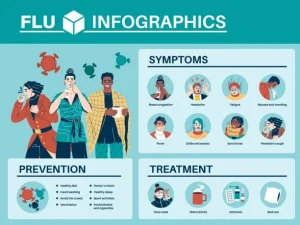
Knowing the signs that your body is fighting a cold can be both reassuring and empowering. It’s proof that your immune system is hard at work.
- Fever: A fever is one of the most common signs your body is fighting a cold. It’s your body’s natural defense mechanism, creating an inhospitable environment for viruses.
- Fatigue: Feeling exhausted is a clear signal. Your body is diverting energy away from daily tasks and toward the immune response.
- Swollen Glands: The lymph nodes in your neck, armpits, and groin swell as they fill with white blood cells that are fighting the infection.
- Body Aches: Aches and pains are a result of your body releasing chemicals to combat the virus, which can cause inflammation and discomfort.
Sometimes illness can make you feel isolated. Reaching out to friends or engaging in creative outlets can lift your mood during recovery. For example, starting a YouTube channel can be both therapeutic and fun.
🎥 Helpful Guides:
Conclusion
Colds and the flu are an inevitable part of life, but their impact on our well-being doesn’t have to be. By taking a proactive and well-informed approach, you can significantly reduce the severity of symptoms and cure a common cold faster.
Remember, the core principles of recovery are simple yet powerful: get adequate Rest and Sleep, maintain proper Hydration, and use proven, safe methods to manage your symptoms.
From the moment you feel a cold coming on naturally to the final stages of recovery, empowering yourself with knowledge is the best medicine. While a cold or flu can knock you down, it doesn’t have to keep you there.
What are some of your go-to home remedies that help you through cold and flu season? Share your thoughts and experiences in the comments below, and let’s continue this conversation.
Disclaimer: This article is for informational purposes only and does not constitute medical advice. Always consult with a qualified healthcare professional for diagnosis and treatment of any medical condition.